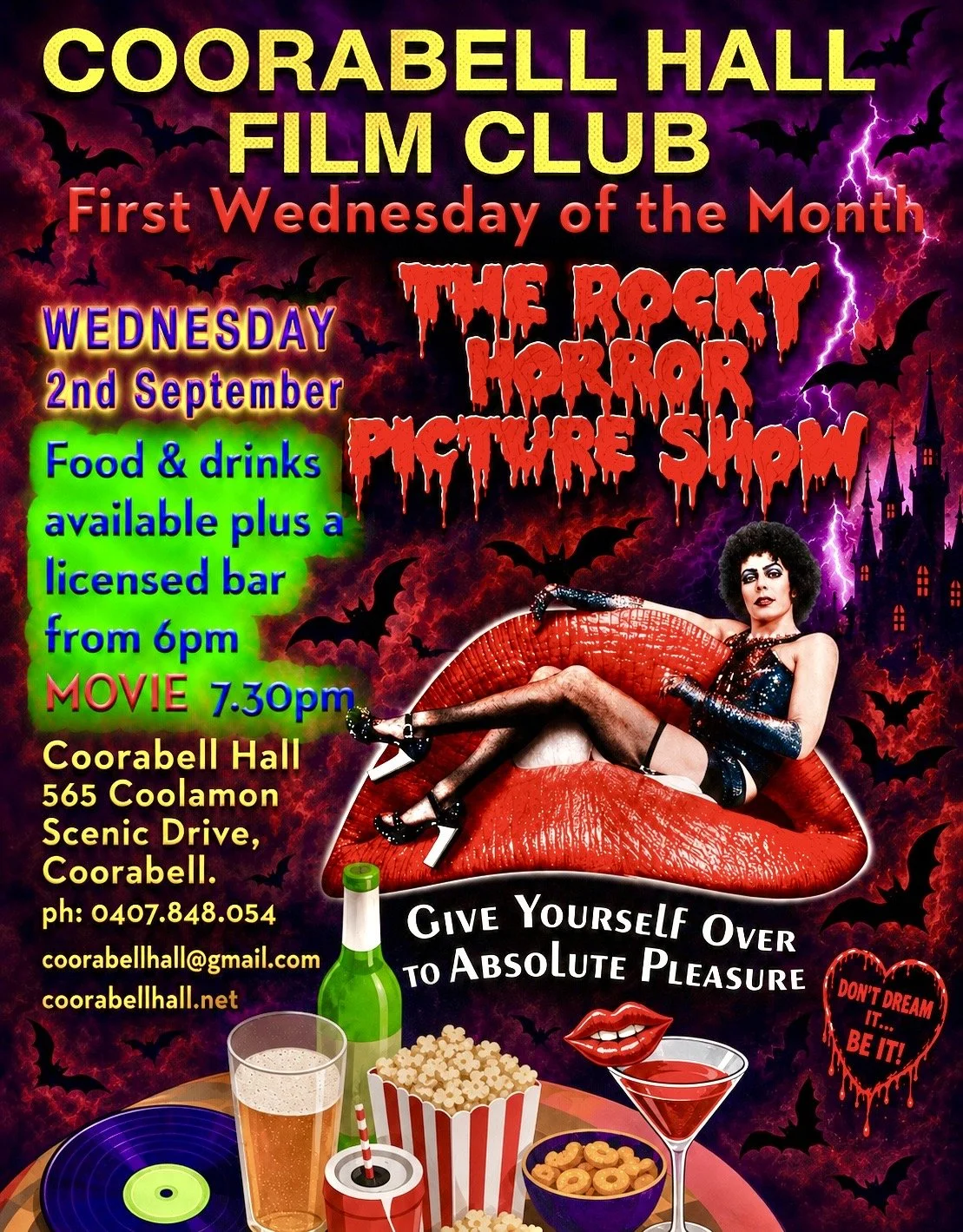
50 years on and celebrated as the ultimate cult classic film and the longest-running theatrical release in cinema history, The Rocky Horror Picture Show is a phenomenon that has endured the test of time. For a cult film originally considered a commercial flop, The Rocky Horror Picture Show reshaped film, fashion, punk and musical theatre, and became a touchstone for the early LGBTQIA+ movement, emerging from the gender-bending Glam Rock era of the early 1970s.
It was a time when David Bowie's Ziggy Stardust epitomised androgyny in rock music, and stage musicals such as Hair and Jesus Christ Superstar propelled counterculture onto the mainstream stage. The burlesque pastiche of Rocky Horror was originally penned as a stage musical by British-New Zealand actor, writer and musician Richard O'Brien, who played Riff Raff in London and in the film.
The original stage production opened in London in 1973, where it was a roaring success and migrated to various other theatres, including opening at the New Arts Cinema in Glebe in 1974 with Reg Livermore, Kate Fitzpatrick, Sal Sharah and Arthur Dingnam. The original world-wide stage productions and the film were directed by Australian Jim Sharman, who had already directed the Australian stage versions of Hair and Jesus Christ Superstar.
The movie had an unexpected second wind in 1976, when audiences in New York returned night after night to midnight screenings dressed as the characters and talking back at the screen. They would throw rice, put newspapers over their heads and shoot squirt guns etc. Eventually the audience participation spawned a "shadow cast" movement, where costumed fans would lip-sync lines, lyrics, and play out the action live in front of the big screen.